
The friendly folks at Merry Maids of Westchester County know a thing or two about getting a home spotless. But during cold and flu season, which magically coincides with the holidays, their techniques take on a more serious approach. With Thanksgiving, Christmas, and Hannukah looming, you're likely to be hosting more guests in your home. More guests, more germs.
Merry Maids of Westchester County's Krista Leiriao spilled the tea on six hacks for keeping those germs at bay. Here's what she has to say about cleaning, disinfecting, and santizing your living space this time of year. Trust me when I tell you I'm paying CLOSE attention, lol.
1. What are the most important areas of the home to disinfect during cold and flu season?
(candidbcolette/Unsplash)
The most important areas of the home to disinfect during cold and flu season are high-touch areas where germs can easily spread from person to person, such as light switches, door handles/knobs, kitchen countertops/cabinet handles/appliance handles, bathroom faucets/toilet handles/sink handles, railings, and electronics like touchscreens and remote controls.
2. What's the difference between cleaning, sanitizing, and disinfecting?
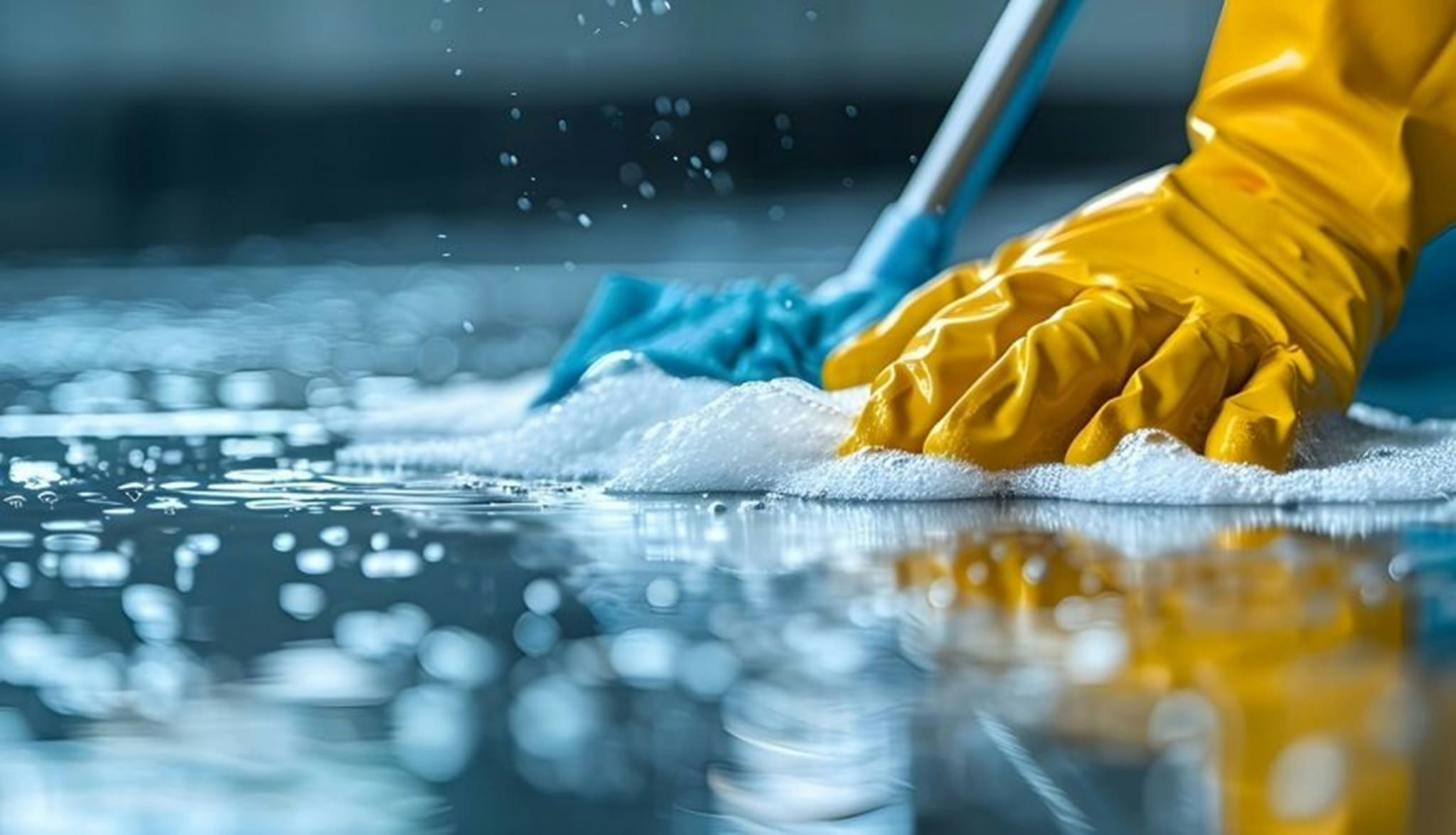
(purocleanoffortworth/Unsplash)
The difference between cleaning, sanitizing and disinfecting is really about how much each action reduces germs on surfaces. Cleaning removes dirt, dust, debris and some germs from surfaces. Sanitizing reduces the number of germs on surfaces - it helps to lower bacteria but may not eliminate all. Disinfecting kills bacteria and viruses on surfaces when an EPA-registered product is used properly.
3. Which household cleaning products are most effective at killing cold and flu viruses?
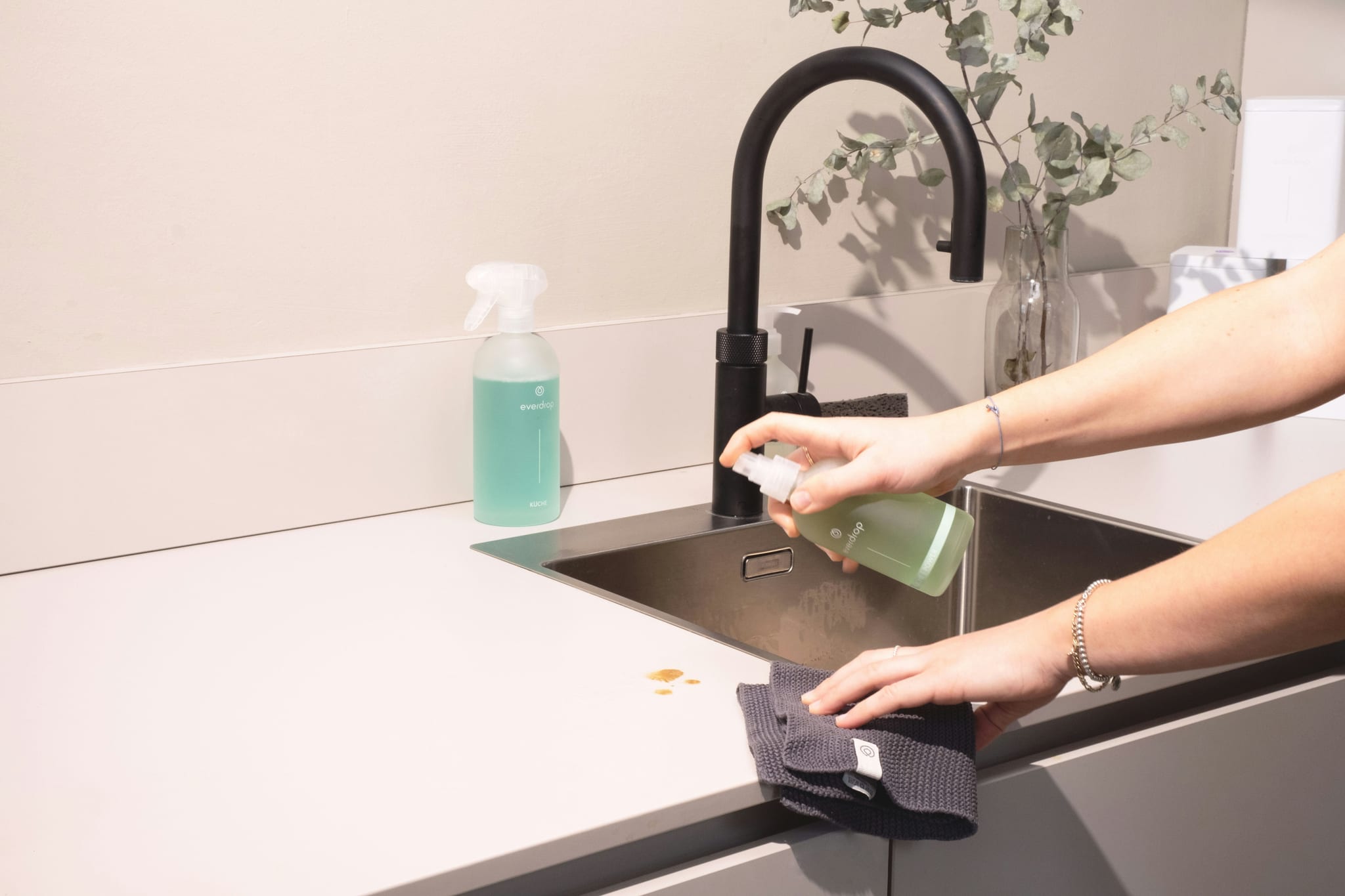
(everydrop GmbH/Unsplash)
During cold and flu season, you will want to use household products that are EPA-registered and specifically target the viruses you want to kill. Clorox and Lysol have many products that, when used according to label directions, will disinfect specified viruses. You should always check the product label to make sure it targets the flu virus and that it's safe for the areas you want to treat. Also check the contact time (also referred to as dwell time), because usually when you're disinfecting, the product needs to sit on the surface for a specified amount of time in order to work properly. At Merry Maids, we use an EPA-registered disinfectant that is safe for most surfaces and has a dwell time of 3 minutes to be effective.
(Towfiqubarbhuiya/Unsplash)
5. What are some common cleaning mistakes people make that could actually spread germs instead of eliminating them?
(minarad/Unsplash)
6. If someone in the household comes down with a cold, flu, or COVID, what additional cleaning and disinfecting steps should the rest of the household take to help prevent it from spreading?